Frameworks compete
Zang-Fu, qi-blood-fluid, Six Conformations and Sanjiao models may each reveal something different. Choosing one too early can erase useful information.
RESEARCH PROGRESS 23 SEPTEMBER 2026
Reconstructing MLMN L6: the Six Conformations as changing disease phases.
To answer criticism through primary sources and comparative history, we are closely reading and comparing Chinese and Japanese works related to the Shanghan Zabing Lun (the Shanghan Lun and Jingui Yaolue). Forty-one works have been obtained for examination. L6 is being reconstructed not as a simple list of channel names, but as a framework for disease phase, transition, coexistence and exception.
Read the scope and current status →MAJOR STRUCTURAL REVISION AUGUST 2026
MLMN has been revised from the previously presented ten-layer structure to the current nine-layer model.
The former L8 Ministerial Fire layer is no longer independent; Environment is now L8 and Time-phase is L9. Ministerial fire has not been discarded. It is retained as a source-grounded pathomechanistic concept linking multiple layers.
Read the reason for the revision →FOR ACUPUNCTURISTS, KAMPO PRACTITIONERS, EDUCATORS AND RESEARCHERS
MLMN—the Multi-Layer Meta-Network—is a proposed research framework for recording a patient encounter across nine interacting layers. It is designed to preserve observations, competing interpretations, treatment rationale and change over time instead of compressing them into a single pattern label.
Free registration · No credit card · Immediate access
OPEN RESEARCH PAPER
The 11-page Japanese manuscript on abdominal diagnosis in the Japanese Koho school is now connected to a dedicated English abstract, bibliography, version hash and explicit limitations. It is published as an unreviewed record of theory formation, not as the current canonical MLMN model.
THE PROBLEM
Pulse, tongue, abdomen, acupoint response, life context, causation and temporal change can all matter in one encounter. When the record ends with one pattern label, the path from observation to action—and the alternatives that were rejected—can disappear.
Zang-Fu, qi-blood-fluid, Six Conformations and Sanjiao models may each reveal something different. Choosing one too early can erase useful information.
A classical passage can be read accurately yet remain disconnected from bodily findings, treatment operations and observed response.
If expert judgment remains only in the practitioner's head, it is difficult to teach, compare, challenge or update.
WHAT MLMN DOES
MLMN is not an automated diagnosis or treatment generator. It is a research proposition for making practitioner reasoning reviewable while preserving uncertainty and change over time.
START HERE
A nine-layer quick reference, a four-step case-reading method and a route into the source projects.
Get immediate access →APPLICATIONSee how one-label pattern identification differs from a layered, revisable record.
View the cases →SOURCESSeparate source image, OCR, transcription, translation, commentary and research inference.
Explore the method →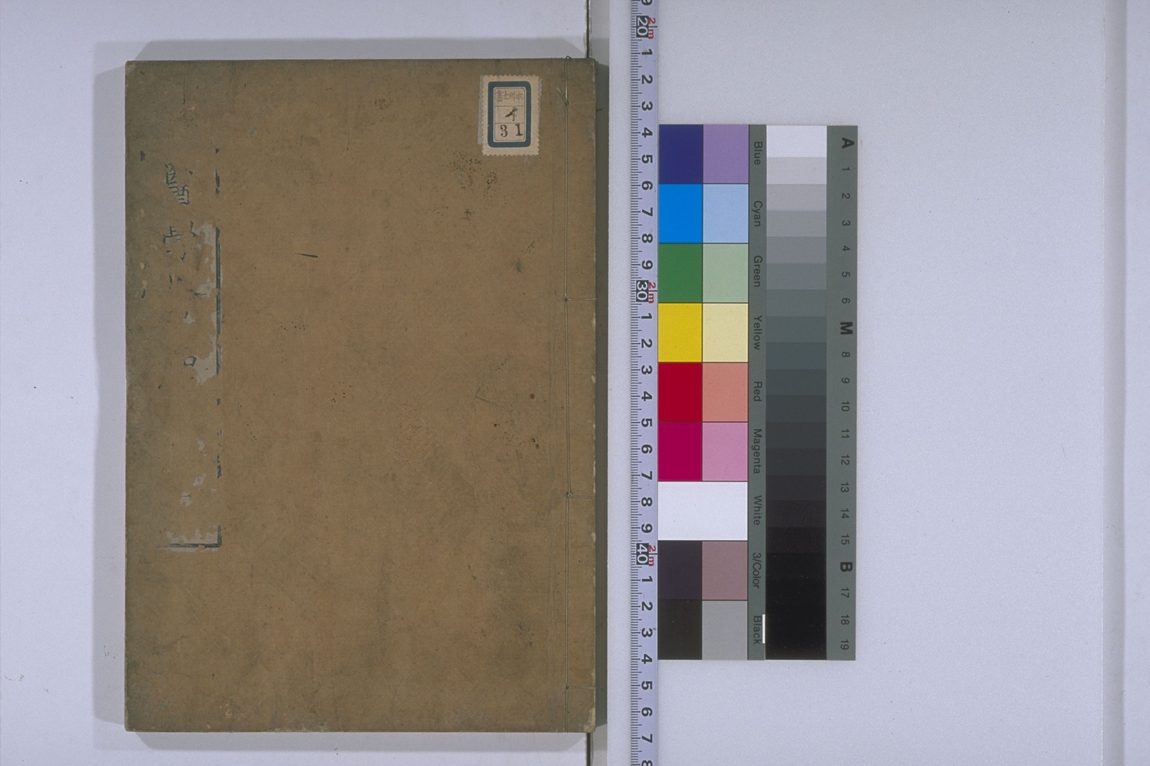
CLASSICS, NOT DECORATION
Wisdom Terra is building research materials that distinguish the original image, OCR output, edited transcription, modern-language rendering, historical commentary and MLMN interpretation. The aim is not to make classical authority unquestionable, but to make the route from source to clinical hypothesis visible.
FOUNDER
Koichi Ishihara opened his acupuncture practice at the age of twenty-two and has continued clinical work and the study of East Asian medical classics for more than three decades. MLMN grew from a practical question: how can different traditions of reasoning be compared without pretending that one label contains the whole patient?
Theory should not imprison practice. It should help us return to the question we failed to ask.— Wisdom Terra / MLMN
FREE RESEARCH MEMBERSHIP
Register for immediate access to the English MLMN starter guide and occasional notices about new model cases, classical-source work and research participation.